A dialog between practice and research – how to initiate a game change?
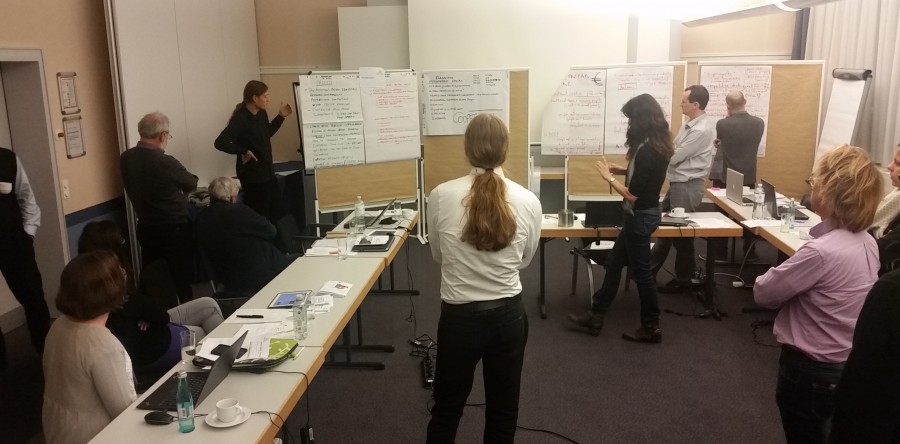
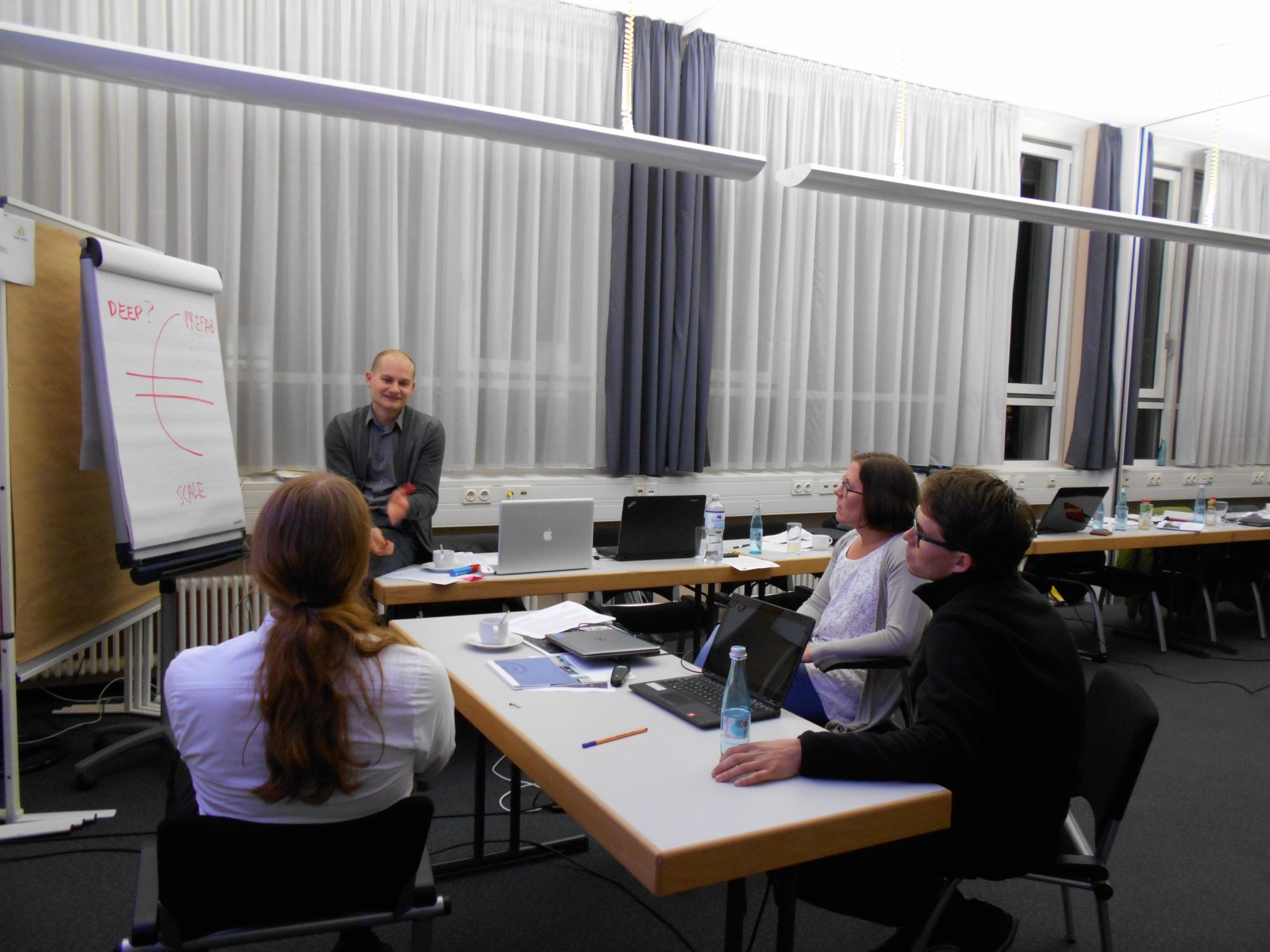
What are the enablers for a change in current practice of school building renovation? This was the key question of a «Renew School» technical workshop in Stuttgart. Keynote presentations from architects and researchers disclosed the barriers in the current practice and subsequent discussion tables focused on how to overcome these obstacles in the future.
During the last years, innovations opened new areas for use of prefabricated timber construction solutions in advanced renovation of school buildings. However, the current potential of technical and manufacturing feasibility is not yet exhausted. Traditional planning processes, procurement procedures and financial schemes hinder their broader application in school building renovation. Missing know-how in early planning phases, unexpected re-design phases after tender procedures and limited perspectives of financing models challenge the school building owners and planners.
The workshop was organized in the context of the Intelligent Energy Europe project «Renew School - Sustainable school building renovation promoting timber prefabrication, indoor environment quality and active use of renewables». A survey conducted in this project on current practice in cooperation and financing models disclosed bottlenecks hindering successful application of advanced technologies and standards in school building renovation. Special attention was also given to the use of prefabricated timber elements as promising technology for future school renovation.
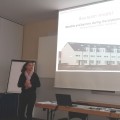
In the keynote speech Sonja Geier (Lucerne University) presented the importance of cooperative planning processes in order to achieve technically and economically optimized solutions for the renovation with prefabricated timber elements. Stefan van Loon (Passiefhuis-Platform) showed the lessons learnt from best practice school buildings from various realizations in Flanders. Micha Illner (Fraunhofer-Institut für Bauphysik IBP) presented the experiences from the school renovation of the vocational school in Detmold. It was possible to reach plus-energy standard with the renovation. However, communication was the crucial point that caused stumbling blocks in planning and realization. Finally, Cornelia Becker (agn over architekten) shared her experiences from realization. She presented the «Bauteam» model project applied by the Architektenkammer Rheinland-Pfalz.
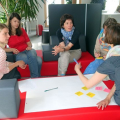
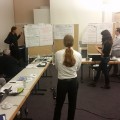
The subsequent discussion tables were held within the four topic areas: «Cooperation», «Process», «Technology» and «Financing». What is necessary to initiate the game-change in these topic area was the question asked by the four moderators Armin Knotzer (AEE INTEC), Bernard Likar (Wood Industry Cluster Slovenia), Jeroen Poppe (Passiefhuis-Platform) and Sonja Geier (Lucerne University).
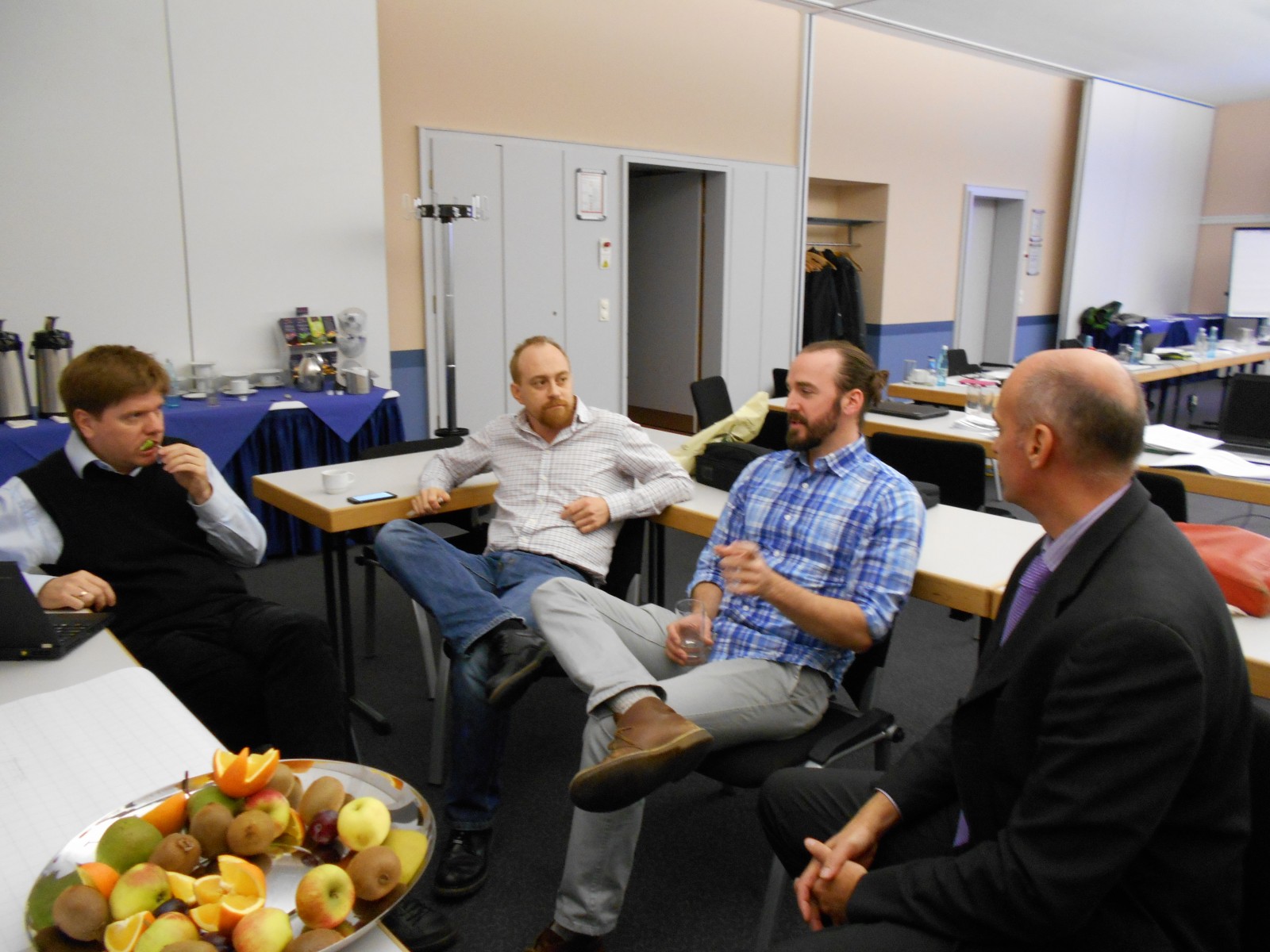
The discussions were characterized by the participants from 10 European countries with different levels of market adoption of prefabricated timber elements for school renovation. The variety of barriers to overcome ranged from countries fighting to realize the first pilot projects or to overcome barriers in building regulation to countries with already experienced timber manufacturers struggling to improve communication problems between planning team and executing companies. Therefore, solutions to initiate the game-change comprised a broad range of possibilities. On the one hand, the perception of the advantages of prefabricated timber solution needs to be improved. On the other hand, reducing on-site execution effort, lower total construction costs and improving construction quality have to be promoted. These advantages have no room in the current practice of the «lowest bid» that identifies the successful competitor. A re-thinking of the current practice in procurement is necessary in order to identify the «best and cost-optimised solution» instead of the «cheapest bid».
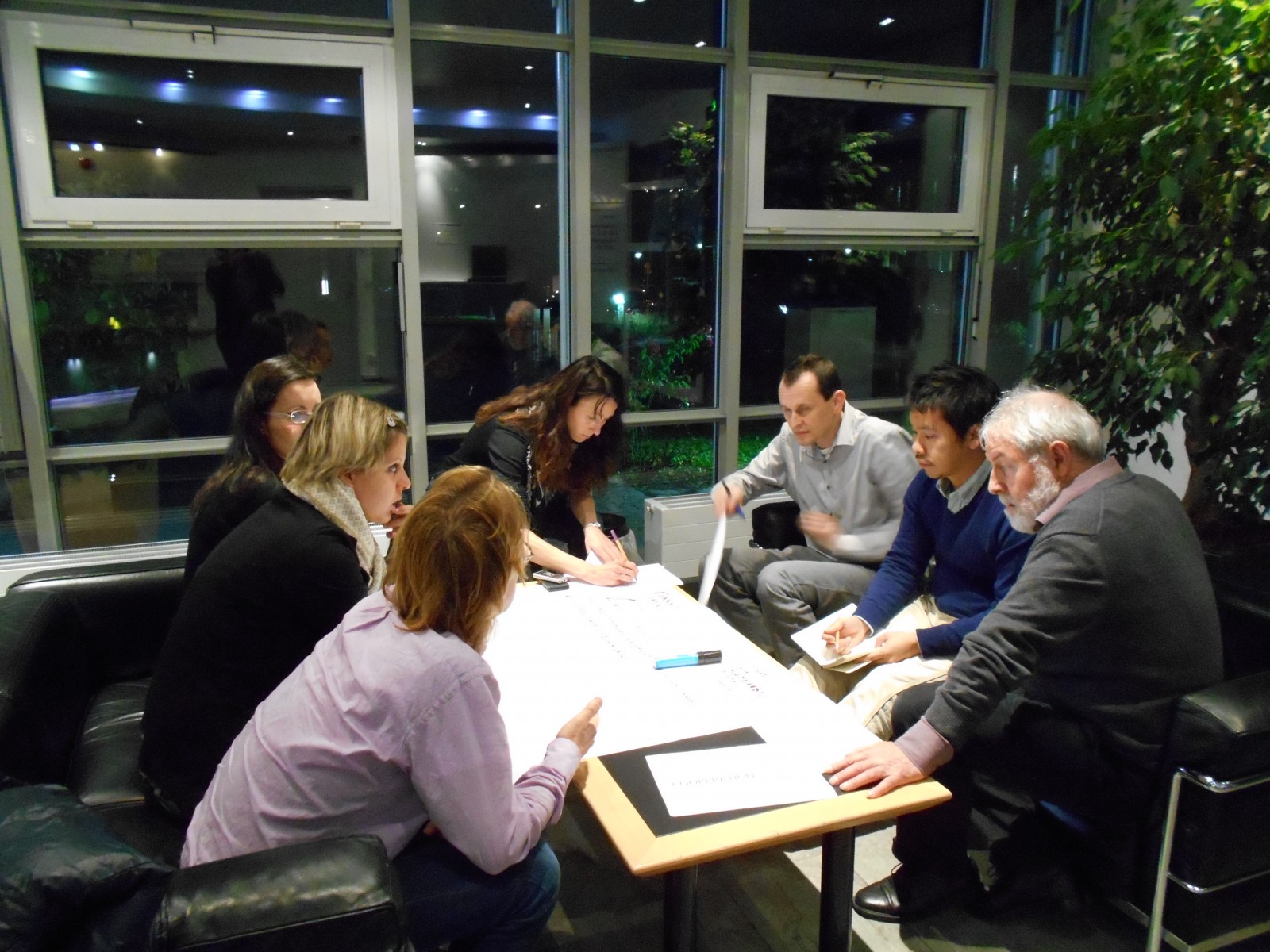
The city mayor, local politicians or representatives of public administration are typically the ‘driving forces’ towards decision for deep renovation with prefab elements. The integration of users, such as teachers and children, would not only raise their acceptance but would make them to complementary driving forces as well. On the financial side the need to secure funding through aggregation from different sources and from different levels causes increased project complexity and long preparatory phases. Staff exchange and changing regulations in the mean-time are additional burdens. To overcome this streamlining and harmonization is seen as crucial. The market uptake of BIM Building Information Modelling was also discussed. It could be the solution to manage communication and information in future. High initial costs, especially hardly affordable for smaller planning offices and a shortage of qualified personnel are some of the barriers for BIM. But BIM is a process and not the solution itself, this was underlined in the discussions. Hence the application of BIM induces a change of the planning process as well. This means to change traditional routines in planning.
What are the conclusions of this workshop?
A better know-how transfer from countries with already experienced actors, an awareness-raising to spread the potential and advantages amongst decision-makers, a change in current planning routines and more high-qualified personnel were on the list.
Are these the game-changers?
Yes and No. The participants represented research and practice, consultants and promotion offices. The turnaround has already been started despite frontiers in several countries – now it will need joint efforts to upscale school renovation with high levels of prefabrication.